Thanks for stopping by, but it appears you are using a (very) old address for my blog. I've moved to a Wordpress site and you'll need to update your bookmarks for Bees on the Knob
Tuesday, December 31, 2013


Monday, December 30, 2013
Bargain Book - Storey's Guide to Keeping Honey Bees
 Storey's Guide to Keeping Honey Bees: Honey Production, Pollination, Bee Health ($1.99 Kindle), by Richard E. Bonney [Storey Publishing], is on sale today (only) as part of Amazon's 100 Crafty Books Daily Deal for Kindle Books. There are lots of other good books in the sale, too, including some on gardening, homsteading, raising goats, making soap, herbal use and more.
I already have this book in paper, but grabbed the Kindle edition to read wherever I happen to be. Mr. Bonney was on that list of authors for beekeeping whose books I'd buy whenever I see a good sale price; I'm glad to see that Dr. Sanford has worked to make this available in digital form.
Book Description
Everyone is buzzing about bees! Urban beekeeping is on the rise as swarms of people do their part to help nurture local food systems, make gardens more productive, connect with nature, and rescue honey bee populations from colony collapse disorder. Honey bee hives now grace the White House Lawn, the roof of Chicago City Hall, the National Arboretum, and the top of the Fairmont Hotel. Even Hagen-Daazs has gotten into the act with its well-funded campaign, Help the Honey Bees.
Storey's Guide to Keeping Honey Bees, the newest addition to the best-selling series, will be the single resource sought by beekeepers in all settings. Malcolm T. Sanford presents a thorough overview of these industrious and critically important insects. With this book as their guide, beekeepers will understand how to plan a hive, acquire bees, install a colony, keep bees healthy, maintain a healthy hive, understand and prevent new diseases, and harvest honey crops.
The book also provides an overview of the honey bee nest and colony life, insights into honey bee anatomy and behavior, an exploration of apiary equipment and tools, season-by-season beekeeper responsibilities, instructions for harvesting honey, and detailed, up-to-date information about diseases and other potential risks to bees.
This comprehensive reference will appeal to both the experienced beekeeper who seeks help with specific issues and the novice eager to get started.
About the Author
Dr. Malcolm T. Sanford is Professor Emeritus, University of Florida. See his resume at apisenterprises.com/vita.htm. Richard E. Bonney is deceased.
Thursday, April 25, 2013
Bargain Book - The Beekeeper's Lament
 The Beekeeper's Lament: How One Man and Half a Billion Honey Bees Help Feed America ($1.99 Kindle, B&N, Kobo), by Hannah Nordhaus [HarperCollins], is one I'd recommend to anyone that eats and is concerned both about the cost of food (everything from squash to almonds) and getting food locally. I know that our bees declined at the same time and for seemingly no reason (and that continues - we don't have bees at all after the winter, some years).
Book Description
Award-winning journalist Hannah Nordhaus tells the remarkable story of John Miller, one of America’s foremost migratory beekeepers, and the myriad and mysterious epidemics threatening American honeybee populations. In luminous, razor-sharp prose, Nordhaus explores the vital role that honeybees play in American agribusiness, the maintenance of our food chain, and the very future of the nation. With an intimate focus and incisive reporting, in a book perfect for fans of Eric Schlosser’s Fast Food Nation, Michael Pollan’s The Botany of Desire,and John McPhee’s Oranges, Nordhaus’s stunning exposé illuminates one the most critical issues facing the world today,offering insight, information, and, ultimately, hope.
Saturday, September 1, 2012
Bargain Book Roundup
There are a few interesting looking books on beekeeping marked down at Amazon today.
 Honeybee: Lessons from an Accidental Beekeeper ($2.99), by C. Marina Marchese
 The Healing Powers of Honey ($3.99), by Cal Orey
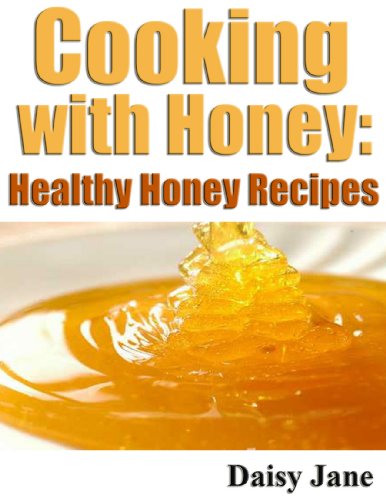 Cooking With Honey: Healthy Honey Recipes (free), by Daisy Jane, is a short self-published cookbook.
Honeybee: Lessons from an Accidental Beekeeper ($2.99), by C. Marina MarcheseBook Description
In 1999, Marina Marchese fell in love with bees during a tour of a neighbor's honeybee hives. She quit her job, acquired her own bees, built her own hives, harvested honey, earned a certificate in apitherapy, studied wine tasting in order to transfer those skills to honey tasting, and eventually opened her own honey business. Today, Red Bee® Honey sells artisanal honey and honey-related products to shops and restaurants all over the country.
More than an inspiring story of one woman's transformative relationship with honeybees (some of nature's most fascinating creatures), Honeybee is also bursting with information about all aspects of bees, beekeeping, and honey—including life inside the hive; the role of the queen, workers, and drones; pollination and its importance to sustaining all life; the culinary pleasures of honey; hiving and keeping honeybees; the ancient practice of apitherapy, or healing with honey, pollen, and bee venom; and much more.
Recipes for food and personal care products appear throughout. Also included is an excellent, one-of-a-kind appendix that lists 75 different honey varietals, with information on provenance, tasting notes, and food-and-wine pairings.
The Healing Powers of Honey ($3.99), by Cal Orey Book Description
Did you know?...
- Known as Mother Nature's "nectar of the gods," honey was praised for its healing powers as far back as 5,000 years ago by Egyptians.
- Eating honey can help lower the risk of heart disease, cancer , diabetes--even help reduce body fat and unwanted weight!--and increase longevity.
- Pure, raw, unprocessed honey is a healthier sweetener than table sugar and high fructose corn syrup. It's chock-full of antioxidants, minerals, and vitamins--and only has 21 calories per teaspoon.
- Super "bee foods" (including nutrient-rich bee pollen, propolis, and royal jelly) are used and touted for their healing powers by beekeepers and medical experts in the present-day.
- Honey can relieve a variety of ailments, including allergies, coughs, fatigue, pain, and stress, as well as boost libido.
- The honey bee pollinates about one-third of the food we consume (including nutritious fruits and nuts).
Drawing on the latest honey buzz and interviews with medical doctors, beekeepers, and researchers, this charming and enlightening book (sweetened with stories about honey bees and humans) reveals 30 healing honey varieties paired with cinnamon and teas, tells you how to incorporate honey into Mediterranean-style, heart-healthy recipes like Honey Custard French Toast, Honey-Glazed Game Hen, and Filo Pear and Honey Tarts, and provides more than 50 home cures that combat digestive woes to skin woes. You'll also enjoy Cleopatra's milk-and-honey beauty treatments and eco-friendly beeswax household uses--all made with the amazing honey bee's gifts!
Cooking With Honey: Healthy Honey Recipes (free), by Daisy Jane, is a short self-published cookbook.Book Description
Oh Honey, Honey!
When we think honey, we think sweet, sticky... possibly, Winnie the Pooh. But what many people aren't aware of are the health benefits honey has to offer.
In this concise booklet you will get effective honey tips, information on honey and health, practical tips on cooking with honey, among countless recipes that include this succulent ingredient.
Friday, April 22, 2011
Happy Earth Day!

Happy Earth Day!
Well, the free book promotion at AllRomance is over for another year and the audiobook download of Walden has changed into a streaming listen only (it's still free elsewhere, see below), but there are still plenty of free ebooks around. In fact, you can still get the Walden audibook - Tantor read the blog post, saw that you were wanting to download it and gave us a link to get zip file.
Here are a few that have become free in the US Kindle store, that were previously UK only, or that have been added to additional ebookstores as free selections.
- Walden
- RX from the Garden
- Generation Rising
- Griselda Takes Flight
- How to Make Money Marketing Your Business with Tumblr
- Let's Go Europe 2011!
 Green Made Easy: The Everyday Guide for Transitioning to a Green Lifestyle ($0.99), by Chris Prelitz, was briefly (and apparently mistakenly) free at Amazon UK, but is a great deal on a relevant title (with almost all 5 star reviews and enough that they can't all be friends of the author).
Book Description
In Green Made Easy, author and green pioneer Chris Prelitz shares how to be both environmental and economical at the same time. Going green is not only good for our planet, it’s good for your pocketbook. For over 20 years, Chris has been helping businesses, home owners, and corporations lower their monthly expenses by going green. Chris and his wife, Becky, share a green solar-powered home in Laguna Beach, California, which Chris designed and built. Most months they produce more power than they use and receive a credit from their power company instead of a bill!
In this book, Chris shares personal experiences, lessons learned, and reflections that humorously touch the heart and inspire the spirit. The chapter “Busting Green Myths” will sway even the most cynical person toward better eco-choices that will also save money. Chris says, “We’re rediscovering that it’s so much healthier, more lucrative, and better for every living thing to transition away from wasteful, polluting technologies and make choices that work in harmony with nature.”
Green Made Easy is written in a friend-to-friend, conversational style and examines our daily lives from personal care and cosmetics to solar-energy systems. This book will delight and inspire any and all who dream of making a difference and wish to create a thriving, healthy future for generations to come.
 A Guest in the Jungle ($3.99), by James Polster, was originally released in 1987 and is credited with creating awareness of rainforest destruction.
 Book Description
When Pittsburgh attorney Whitehill begins his vacation, he is anticipating a leisurely jaunt across South America. But he gets more than he bargained for when a sightseeing trip goes awry, leaving him stranded in the heart of the Amazon jungle. Whitehill isn’t exactly the outdoorsy type—he hikes in Brooks Brothers pants—so he is relieved when he meets a scientist perusing the jungle for medicinal plants and insects. Of course, the good doctor’s true motives are less than altruistic, and Whitehill soon finds himself being forcibly marched through the rainforest en route to certain death. When he escapes, with the help of some hungry vampire bats, Whitehill falls in with an English-speaking Indian whose tribe is at the heart of a raging land conflict. Trapped in the jungle, Whitehill must gather what little courage he has to stop an Indian war and preserve a vanishing culture from rapacious developers. Along the way, he has a fling with a gorgeous native, narrowly survives being sacrificed to the gods, and is rescued from a bombing by a pair of hard-drinking American expats. A Guest in the Jungle is a smart, engrossing, and uproariously funny novel about the power of one man to make a difference in the world.
 Kidnapping the Lorax ($0.99), by Patricia K. Lichen, obviously has a bit of an agenda, but might be an interesting read nonetheless (at least five people thought so, but that may be just the author's agent, close family and friends).
Book Description
Three young environmentalists kidnap the Secretary of the Interior and take her to the Pacific Northwest woods to reeducate her, in the belief that when she returns to D.C., she will begin making correct, informed decisions for the land.
 Greening IT ($0.99), edited by Adrian Sobotta, Irene Sobotta, John Gøtze and Connie Hedegaard, is a large volume on paper, but bargain priced as an ebook. It's also free on their web site, as a PDF (there is a "low-res" and "hi-res" version, which seems to apply just to the included images, as the text is readable in either version).
Book Description
The IT sector itself, responsible for 2% of global greenhouse gas emissions, can get greener by focusing on energy efficiency and better technologies - we call this Green IT. Yet, IT also has the potential to significantly reduce the remaining 98% of emissions from other sectors of the economy - by optimising resource use and saving energy etc. We call this the process of Greening IT.
This book explores the great potential of greening society with IT - i.e. the potential of IT in transforming our societies into Low-Carbon societies. This is a global problem and demands a global solution, and in the spirit of this fact, this creative commons-licensed book is the result of an internationally collaborative effort by a number of opinion leaders in the field of Greening IT.
The foreword is written by European Commissioner for Climate Change Connie Hedegaard.
Foreword - By Connie Hedegaard, European Commissioner for Climate Action
Chapter 1 Prologue
Chapter 2 Our Tools Will Not Save Us This Time - by Laurent Liscia
Chapter 3 Climate Change and the Low Carbon Society - by Irene N. Sobotta
Chapter 4 Why Green IT Is Hard - An Economic Perspective - by Rien Dijkstra
Chapter 5 Cloud Computing - by Adrian Sobotta
Chapter 6 Thin Client Computing - by Sean Whetstone
Chapter 7 Smart Grid - by Adrian Sobotta
Chapter 8 How IT Contributes to the Greening of the Grid - by Dr. George W. Arnold
Chapter 9 The Green IT Industry Ecosystem - by Ariane Rüdiger
Chapter 10 Out of The Box Ways IT Can Help to Preserve Nature and Reduce CO2 - by Flavio Souza
Chapter 11 From KPIs to the Business Case - Return on Investment on Green IT? - by Dominique C. Brack
Chapter 12 Computing Energy Efficiency - An Introduction - by Bianca Wirth
Chapter 13 A Future View: Biomimicry + Technology - by Bianca Wirth
Chapter 14 Greening Supply Chains - The Role of Information Technologies - by Hans Moonen
Chapter 15 Epilogue
 Oceans: The Threats to Our Seas and What You Can Do to Turn the Tide ($3.86), by Jon Bowermaster
Book Description
This unique tie-in to the major motion picture Oceans—coming this April from Disney & National Geographic—explores the health of our oceans, and what we can do to improve it.
More than 75 percent of the globe is covered by the oceans. It is sometimes difficult to understand why it is called Planet Earth rather than Planet Ocean. Since half the world’s human population lives within a stone’s throw of an ocean coastline, the oceans’ health is increasingly important. Rich with resources and potential—as a source of renewable energy, new drugs, drinking water—for years we have treated them as both infinite and undamageable. But they are not.
Over-fishing, climate change, pollution, acidification, and more have put the world’s oceans and marine life at great risk.
Oceans gathers some of the most insightful visionaries, explorers, and ocean lovers— marine biologists, politicians, environmentalists, fishermen, sportsmen, deep divers, and more—in a unique anthology, in which each speaks to a unique aspect of our world’s most dimly understood dimension.
 Getting Back ($2.99), by William Dietrich, is one of three backlist titles from this Pulitzer Prize winner and natural history correspondent for the Seattle Times that are bargain priced.
Book Description
Getting Back is a futuristic thriller, an eco-fable with a touch of 'Survivor,' Mad Max, and Avatar. The world's population has doubled. Wilderness exists only in old movies. Every region on Earth has been explored, organized, and tamed. But in this brave new age one secret organization promises the most forbidden pleasure of all: a true outdoor adventure. The price is a year's salary. The destination is a continent that disease has put off-limits. And the catch is that on this expedition, you may never return...
In the belly of a shimmering 21st Century pyramid, Daniel Dyson occupies Cubicle 17 and fantasizes about love and escape. By day he pursues petty ways to subvert his overly programmed life. By night he flirts with a shadowy group that dares him to rebel and reclaim his autonomy. Then he stumbles onto Outback Adventure.
Outback doesn't advertise and keeps its Internet site heavily encyrpted. Yet Daniel, partly to seek deeper meaning in his life, partly to find a woman who doesn't want to be found, soon finds himself taking a perilous trek across the forbidden continent of Australia. There, Outback has promised he will find out what it means to be truly alive, to test his limits, and to understand real survival. What he and his two dozen fellow adventurers don't know is that all their high-tech gear and all their plans haven't prepared them for what lies ahead. Because this journey will not only plunge them into a stark desert and through a gauntlet of natural dangers, it will force them to face the most dangerous creatures on earth: their fellow humans.
Getting Back is a novel of survival and a search for meaning where both have gone extinct - a thriller that asks us whether getting back is the object of the game, or the punishment for losing...
 The Collected Works of John Muir (Unexpurgated Edition) ($1.99) is a popular collection from Halcyon Classics. This edition is DRM free, includes an active table of contents for easy navigation and errors and omissions have been corrected (versus scanned editions available free).
Book Description
This Halcyon Classics ebook collection contains nine works by California conservationist John Muir (1838-1914). Scottish-born Muir was an early advocate of Conservation in the United States; his activism led to the establishment of the Sierra Club. Muir is perhaps best known for his efforts to preserve the Yosemite Valley and Sequoia National Park, and his unsuccessful attempts to stop the damming of the Hetch Hetchy Valley near San Francisco.
Contents:
Studies in the Sierra (1874)
Picturesque California (1890)
The Mountains of California (1894)
The Grand Canyon of the Colorado (1902)
Stickeen: The Story of a Dog (1909)
The Yosemite (1912)
The Story of My Boyhood and Youth (1913)
Travels in Alaska (1915)
Steep Trails (1919)
 Green Living For Dummies®, Mini Edition ($0.99), Organic Gardening For Dummies®, Mini Edition ($0.89) and Green Building and Remodeling For Dummies®, Mini Edition ($0.99) are just a few of the For Dummies®, Mini Editions that are under a buck at Amazon.
Green Living For Dummies®, Mini Edition
Minimize your impact on the world and enjoy a green lifestyle
Whether you want to repair, restore, or reuse, this practical guide is packed with realistic ways to help the environment and create a better home for you and your loved ones — from reducing energy use and waste to scaling back reliance on your car to making a difference in your diet.
Open the book and find:
- Ways to work greener transportation into your lifestyle
- The best ways to eat locally and organically
- How to rid your life of clutter
- Tips for conserving water and energy in your home today
Organic Gardening For Dummies®, Mini Edition
Grow a bountiful garden without harming the environment
Whether you're cultivating fruits and vegetables or growing beautiful flowers, this handy guide shows you how to work with nature, not against it, to create and maintain an organic garden your whole family will enjoy.
Open the book and find:
- How to beat weeds at their own game
- Tips for keeping pests away without chemical pesticides
- Ways to buy or make compost and build healthy soil
- How to work with, not against, your soil
Green Building and Remodeling For Dummies®, Mini Edition
Your hands-on, practical guide to the materials and construction methods of green building
Want to build responsibly and help preserve the environment? This friendly, step-by-step guide introduces you to key facets of green building and remodeling, from looking at long-term costs to working with green professionals to reducing energy and water use.
Open the book and find:
- The benefits of going green
- Green material substitutions
- Where to locate green professionals
- Ten green things you can do in your home today
 Green Living by Design ($3.99), by Jean Nayar, is even greener than the recycled paper of the paperback edition, when read as an ebook.
Book Description
What if someone told you that you could make your home look gorgeous, be more energy and cost efficient and be kind to the environment at the same time? With the help of Jean Nayar and the experts at PointClickHome.com now anyone can remodel, renovate, or decorate their home, all without hurting the planet.
Filled with easy, insider tips on everything from insulation, carpentry, lighting, and complete renovations to simple projects like redecorating; Green Living by Design is the source for anyone who wants their home to be chic and eco-friendly.
Chapters include information on furnishings, fabrics, water use, choosing locally made products, harvesting and controlling sunlight, composting and disposing and energy-efficient appliances.
Laid out in an easy-to-follow format with step-by-step instructions, special tips and hints and material guides, this book makes it easier than ever to follow your conscience while protecting the earth.
 The Quarter-Acre Farm: How I Kept the Patio, Lost the Lawn, and Fed My Family for a Year ($9.87), by Spring Warren and Jesse Pruet, is a bit above my usual cutoff (as is the next one), but is one I'm sampling and may make an exception for - if it saves me $5 on food, it's back to bargain priced and might save me hundreds (or maybe at least one), if it improves the production from our garden this year.
Book Description
When Spring Warren told her husband and two teenage boys that she wanted to grow 75 percent of all the food they consumed for one year—and that she wanted to do it in their yard—they told her she was crazy.
She did it anyway.
The Quarter-Acre Farm is Warren’s account of deciding—despite all resistance—to take control of her family’s food choices, get her hands dirty, and create a garden in her suburban yard. It’s a story of bugs, worms, rot, and failure; of learning, replanting, harvesting, and eating. The road is long and riddled with mistakes, but by the end of her yearlong experiment, Warren’s sons and husband have become her biggest fans—in fact, they’re even eager to help harvest (and eat) the beautiful bounty she brings in.
Full of tips and recipes to help anyone interested in growing and preparing at least a small part of their diet at home, The Quarter-Acre Farm is a warm, witty tale about family, food, and the incredible gratification that accompanies self-sufficiency.
 Urban Agriculture: Ideas and Designs for the New Food Revolution ($9.99), by David Tracey
Book Description
Urban Agriculture is packed with ideas and designs for anyone interested in joining the new food revolution. First-time farmers and green thumbs alike will find advice on growing healthy, delicious, affordable food in urban settings. From condo balconies to community orchards, cities are coming alive with crops. Get growing!
About the Author
David Tracey is a journalist and environmental designer who operates EcoUrbanist in Vancouver. A certified arborist specializing in organic fruit trees and edible landscapes, he is also the Executive Director of Tree City Canada, a non-profit ecological engagement group. David is the author of Guerrilla Gardening: A Manualfesto, and an advocate for all those reclaiming our right to great food through urban agriculture.
 Last, but not least, today's Magazine bargain is a one-year subscription to Hobby Farms for $5.00, valid today only.
Description
The ultimate owner's manual for rural enthusiasts, Hobby Farms embraces the growing segment of the population that is returning to farm life in search of a more meaningful existence. Hobby Farms is ideal for everyone from pocket farmers looking to make a profit from their part-time farming endeavors to hobby farmers who have a passion for farm life.
Subscribe to:
Posts (Atom)